
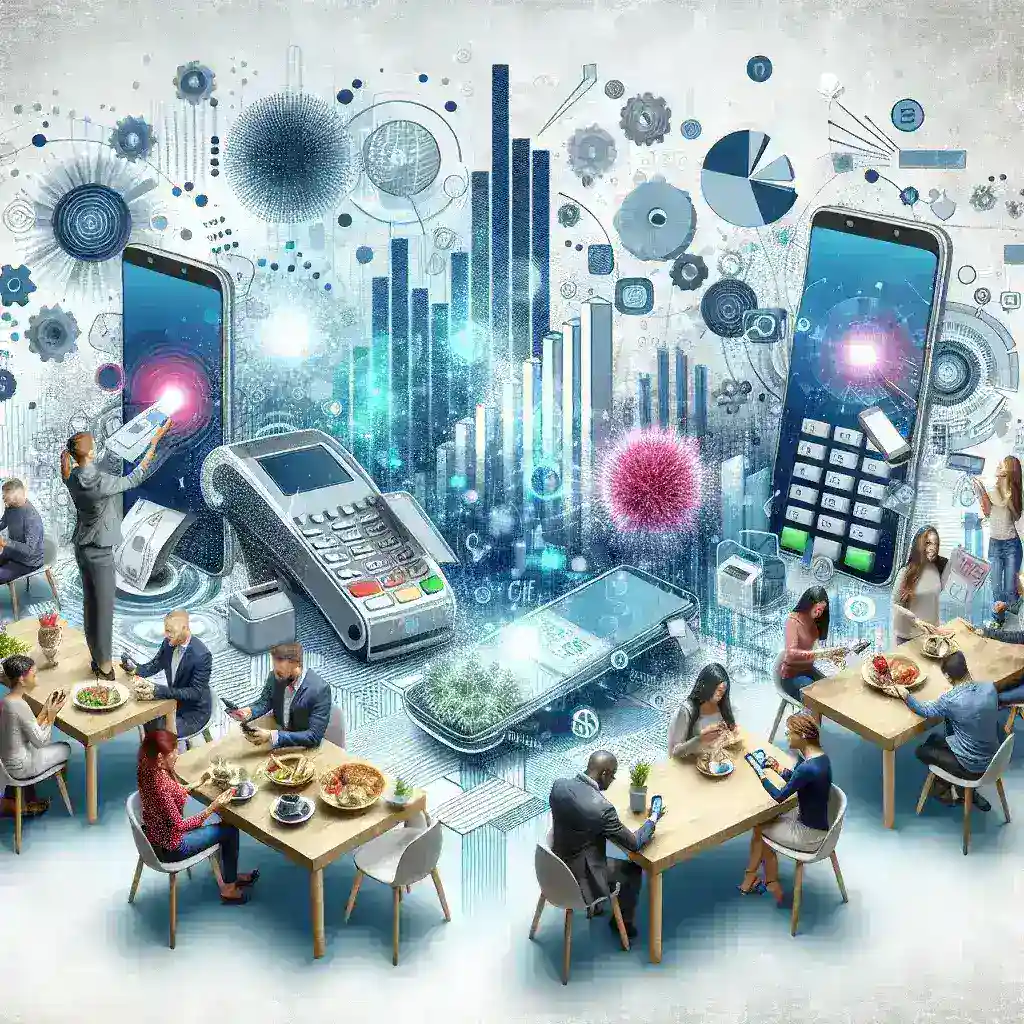
Introduction to Mobile Payment Systems
In recent years, mobile payment systems have revolutionized the way consumers and businesses conduct transactions. As smartphones have become ubiquitous, the adoption of mobile payment methods has surged, creating a significant shift in the financial landscape.
The Growth of Mobile Payment Systems
According to recent studies, the global mobile payment market is projected to reach trillions of dollars in the coming years. This growth can be attributed to several key factors:
- Increased Smartphone Adoption: With billions of smartphone users worldwide, mobile payment systems have become accessible to a larger audience.
- Technological Advancements: Innovations such as Near Field Communication (NFC) and secure payment processing technologies have made mobile payments faster and more secure.
- Consumer Convenience: Mobile payments offer an easy and quick way for consumers to pay for goods and services without the need for cash or cards.
- Contactless Transactions: The COVID-19 pandemic has accelerated the demand for contactless payment options, boosting the popularity of mobile payment systems.
Impact on Global Commerce
The rise of mobile payment systems has had a profound impact on global commerce. Businesses of all sizes have started to embrace mobile payment solutions, leading to enhanced customer experiences and increased sales. The benefits include:
- Streamlined Transactions: Mobile payments facilitate quicker checkouts, reducing wait times in retail environments.
- Enhanced Security: Advanced encryption technologies ensure secure transactions, building consumer trust.
- Data Insights: Businesses can gain valuable insights from transaction data to better understand customer preferences and improve marketing strategies.
Future Trends in Mobile Payments
As mobile payment systems continue to evolve, several trends are expected to shape their future:
- AI and Machine Learning: These technologies will likely enhance fraud detection and improve personalized marketing strategies.
- Expansion of Digital Wallets: More consumers are turning to digital wallets to store their payment information, making it easier to make transactions on the go.
- Integration with Other Technologies: The incorporation of mobile payments into IoT devices and wearables will create new avenues for business transactions.
Conclusion
The growth of mobile payment systems is transforming the way we conduct financial transactions. With advancements in technology and increasing consumer adoption, these systems are set to become a staple in the global economy. As we look to the future, the evolution of mobile payments will undoubtedly continue to enhance the convenience and security of financial transactions worldwide.
Leave a Reply